The Best Fluffy Pancakes recipe you will fall in love with. Full of tips and tricks to help you make the best pancakes.
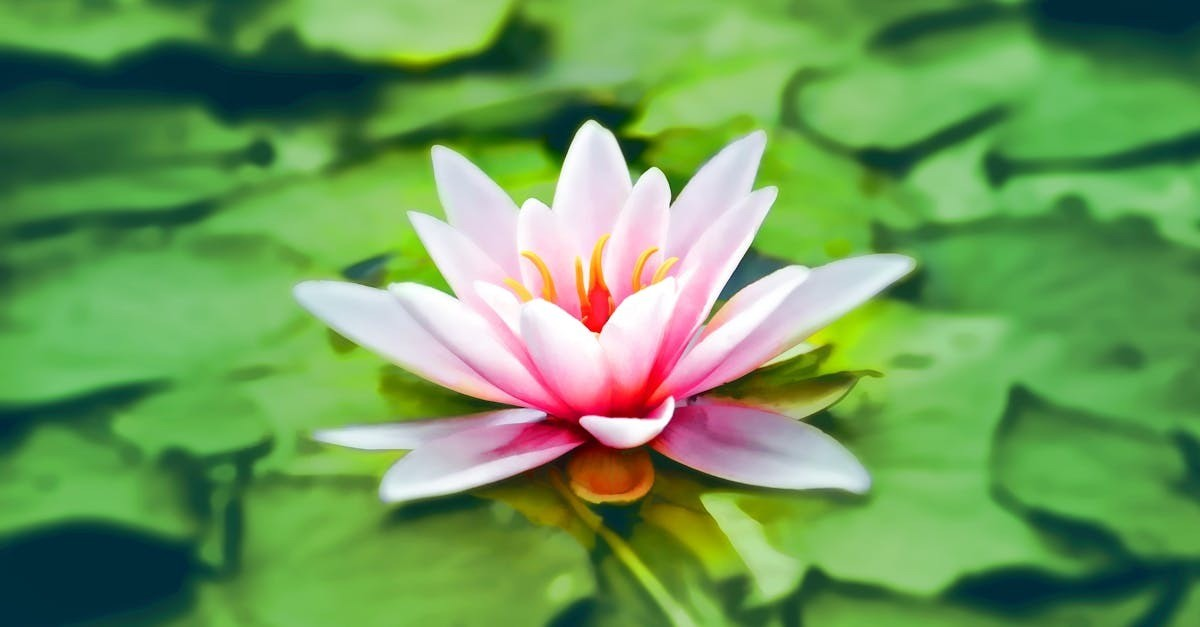
Semi Aquatic Plants: Nature's Water-Loving Wonders
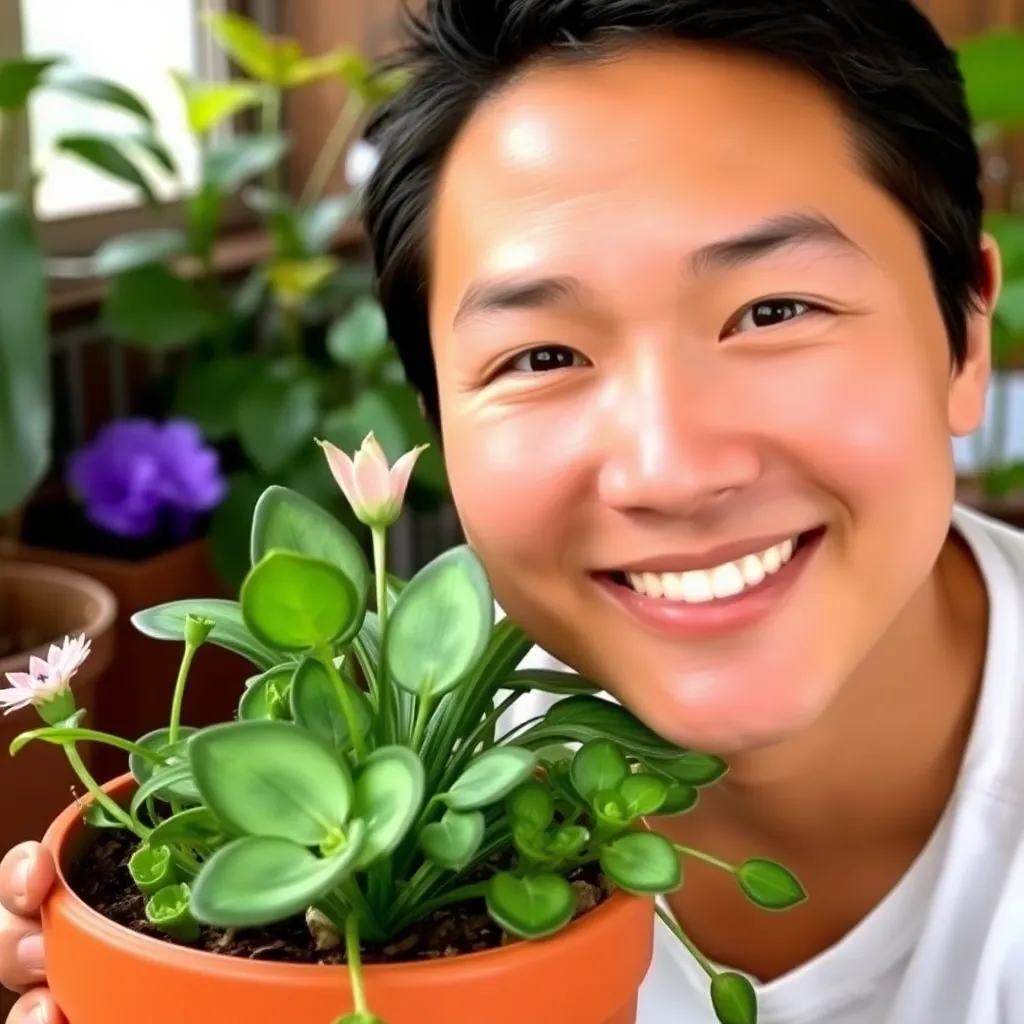
Ever felt like your garden needed a splash of something unique? Picture this: lush green leaves skimming the water’s edge, vibrant flowers dancing above the surface. Welcome to the world of semi aquatic plants, where land and water mingle in the most delightful way. In this text, we’re diving into the importance of these fascinating plants, the varieties you can explore, and how to integrate them into your own outdoor oasis. Let’s get our feet wet.
Defining Semi Aquatic Plants
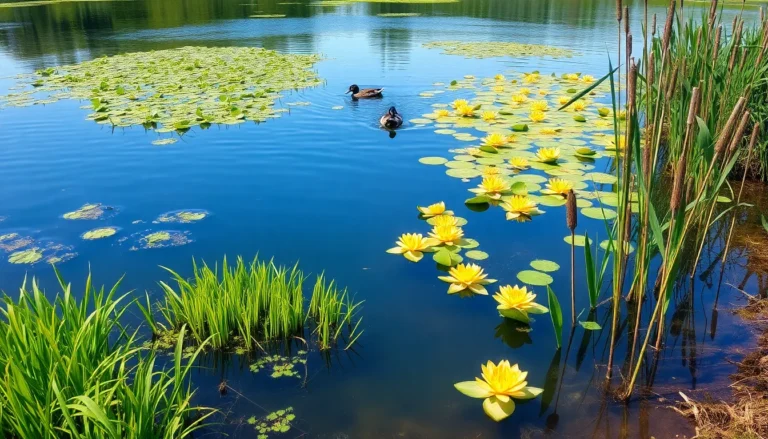
What exactly are semi aquatic plants? Simply put, they’re those marvelous green beings that thrive both in water and on land. We might find them flourishing in marshes, lake edges, or even your backyard pond. With part of their body submerged and part basking in the sun, these plants showcase a unique adaptability that makes them essential players in their ecosystems. Their roots often anchor in muddy beds while their foliage stretches up towards the sky, creating a stunning visual impact.
Ecological Importance of Semi Aquatic Plants
Now, let’s chat about why these plants are not just beautiful but also vital to our environment. By serving as natural water filters, semi aquatic plants help clean our water bodies, absorbing pollutants and providing oxygen. Also, they create habitats for various aquatic creatures. Frogs, insects, and even fish rely on these plants for shelter and food. In short, they are the unsung heroes of wetlands, supporting biodiversity and maintaining the balance in our ecosystems.
Common Types of Semi Aquatic Plants
There’s a dazzling array of semi aquatic plants out there. Let’s explore some of the most popular types:
Cattails: Known for their tall, slender form, cattails can grow several feet tall. We often spot them in wetlands, waving gently in the breeze.
Water Hyacinth: These lovely lilac-colored flowers not only beautify water surfaces but also offer excellent shade, benefiting aquatic life below.
Bulrushes: With their tall, rush-like appearance, bulrushes provide crucial habitat for various wildlife.
Pickerel Weed: Known for its striking blue flowers, pickerel weed is a favorite among pollinators and adds a vibrant touch to water gardens.
Each of these plants brings something unique to the table, making our landscapes both functional and fabulous.
Growing Semi Aquatic Plants in Your Garden
Thinking about adding some semi aquatic plants to our garden? Great choice. First, we need to pick the right spot. Look for areas that can hold a little moisture but also provide some sunlight. You can create a small pond or even use containers filled with soil and water to simulate their natural habitat. When planting, immerse the roots in water but ensure the base of the plant remains above water. It’s like giving them the best of both worlds.
Care and Maintenance Tips
Let’s talk about keeping our semi aquatic plant buddies happy. Regular maintenance is key. Here are some helpful tips:
Monitor Water Levels: Ensure that your plants receive adequate moisture. If we notice a drop in water levels, topping it up can be essential.
Weeding: Just like any garden, removing invasive species around them is crucial. This helps protect them from competition.
Fertilization: Occasionally, providing a gentle dose of fertilizer can give them a boost, especially during the growing season.
With a little love and attention, our semi aquatic friends can flourish beautifully.